
A Beginner's Guide to the Monastic Day: Prayers, Work, and Meals Explained
Bells, psalms, and shared meals: a plain-language tour of the monastic day, from vigils before dawn to the silence after Compline.
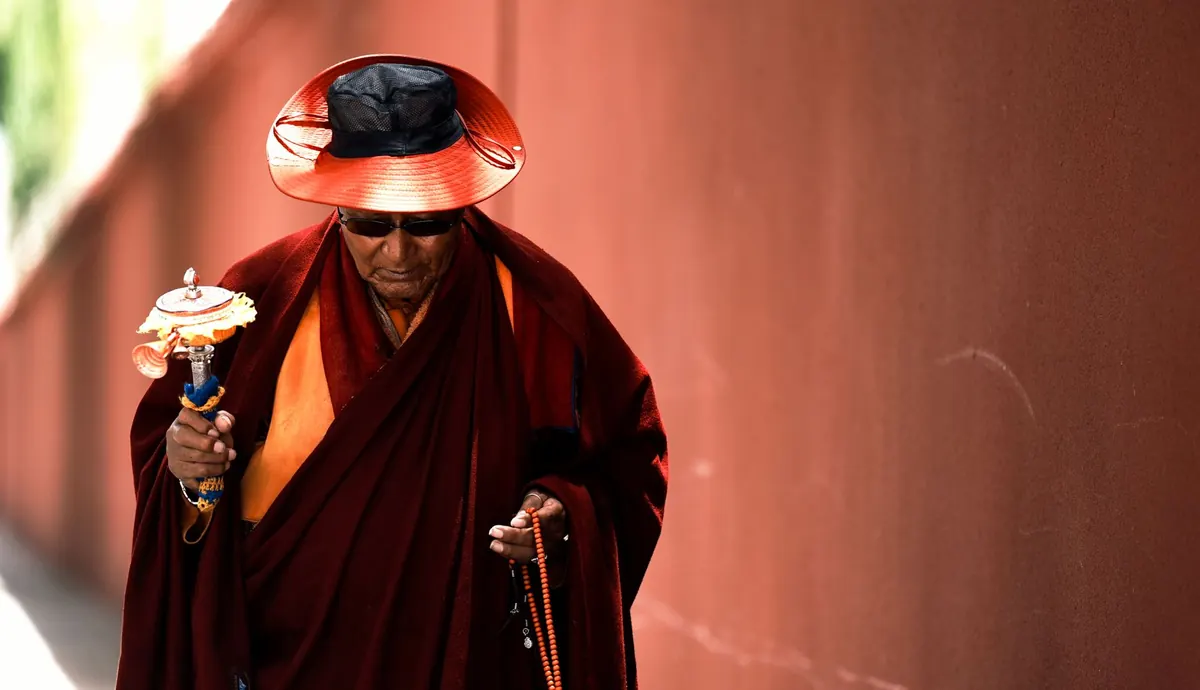
You do not need a clock in a monastery. You need ears. Somewhere between two and five in the morning a bell starts swinging, and within minutes a corridor that was completely silent fills with the sound of doors, sandals and a low murmur of psalms. Everything else in the day — the work, the meals, the reading, the rest — hangs off that sound.
This guide is for anyone standing at the edge of that rhythm for the first time: a visitor, a retreatant, or someone who has read the Rule of St Benedict and wants to know what actually happens between waking and lights out. Customs vary from house to house, but the skeleton is remarkably consistent.
The Horarium: A Day Measured by Prayer
The horarium is simply the monastery's timetable, and in Benedictine houses it is organised around the Liturgy of the Hours — also called the Divine Office, or in older language the opus Dei, the work of God. Traditionally there are eight hours, seven by day and one by night:
- Matins (also called Vigils) — the night office, often the longest, with psalms and extended readings.
- Lauds — at first light, the praise office, with psalms of praise and a canticle.
- Prime — the first hour of daylight; kept in some houses, quietly dropped in others.
- Terce, Sext and None — the third, sixth and ninth hours, roughly mid-morning, midday and mid-afternoon. Short offices, often just a few minutes.
- Vespers — at dusk, the evening sacrifice of praise.
- Compline — the last office before bed, followed in most houses by the great silence.
The names look archaic because they are: the numbering comes from Roman reckoning, where the day began at sunrise. The pattern is not a schedule imposed on prayer. It is the prayer, stretched across the whole day in small doses.
From Vigils to the Morning Hours
Matins is the hour that most startles newcomers. In some communities it still begins at two or three in the morning, with the church lit only enough to read by; in others it has been moved to five or six and joined to Lauds. Cistercian and Carthusian houses tend to keep the earlier, stricter tradition. Benedictine monasteries in cities, where guests and neighbours come to pray, often shift things later.
What stays constant is the shape of it: psalms sung or recited in alternation, a reading from Scripture or the Fathers, a response, and then silence. After Lauds comes a stretch of lectio divina — slow, prayerful reading. Classically it has four movements: lectio (reading the text), meditatio (chewing on it), oratio (answering God in prayer), and contemplatio (resting in what has been given). It looks like a person sitting with a book for half an hour. It is one of the quiet engines of monastic life.
Work: The Other Half of the Rhythm
Ora et labora — pray and work — is the shorthand most people know, though the Rule itself is more careful than the slogan. It warns that idleness is the enemy of the soul, and it sets aside particular hours for the brothers to work with their hands.
The work itself is ordinary and specific: the kitchen, the laundry, the garden, bees, cheese, brewing, vestments, bookbinding, the archives, the guesthouse, the sacristy. Some monks teach, translate, or run a retreat programme. The point is not that the task is holy; it is that the bell ends it, and the next office begins. Work is not an interruption of prayer in this system — it is one of its forms.
In Trappist and Cistercian houses manual labour carries more weight; in more contemplative or eremitical orders the balance tips further towards solitude. Expect a shorter work period on Sundays and solemnities, and a lighter one during retreat seasons.
Meals: Silence, Reading, and Simple Food
The refectory is where monastic life becomes visible in a way newcomers rarely expect. Meals are usually eaten in silence, with one member reading aloud from a lectern — Scripture, a monastic conference, or a history the community is working through. Cutlery and benches make most of the noise.
Food is plain and taken seriously. Many communities abstain from meat; Trappists do so permanently. In Advent and Lent the main meal may be reduced to one a day, or moved later in the afternoon. Guests are usually served in a separate guest refectory, or given a place at the end of the community's tables, with slightly more generous portions than the monks take themselves — hospitality, not indulgence.
If you have dietary needs, say so when you book rather than at the table. Guestmasters deal with this constantly and will not be offended. Anyone with a medical condition that affects fasting or diet should take advice from their own doctor before attempting to keep monastic fasts.
Vespers, Compline and the Great Silence
Vespers is the office most visitors find easiest to love. The church is dim, the psalms are sung, and in many houses the Magnificat is censed with the altar. Afterwards comes supper, or a light collation, and then Compline: an examination of conscience, a psalm, a short reading, and a hymn to Our Lady that changes with the season — Salve Regina, Alma Redemptoris Mater, and the rest.
When Compline ends, so does speech. The great silence runs from that moment until after the morning office or breakfast, depending on the house, and it is the part of monastic custom guests break most often by accident. If you need to ask a question after Compline, wait until morning, or write a note for the guestmaster. Whispering counts.
Why the Details Differ
The Rule of St Benedict devotes several chapters to the ordering of the night office and adjusts the times by season, so variation is built into the tradition rather than a departure from it. Benedictine, Cistercian, Trappist, Camaldolese and Carthusian houses all keep the same backbone with different flesh on it. Add climate, the size of the community, and whether the house runs a school, a farm or a retreat centre, and you get a timetable that no book can predict exactly.
So do not treat any published horarium as fixed. It is a snapshot.
Stepping into the Rhythm Yourself
If you want to see a monastic day rather than read about one, a few practical habits will make the visit easier.
- Ask for the horarium first. The porter or guesthouse will have a printed sheet. Lauds, Vespers and Compline are the hours most often open to the public.
- Arrive ten minutes early. Sit towards the back or in the guest section, and let the community take its own places.
- Follow, don't lead. Stand, sit and bow roughly when others do. Nobody is watching your responses, and most of the office is sung or recited by the community alone.
- Silence your phone before you enter — and leave the camera in your pocket. Photography during prayer is usually unwelcome; ask the guestmaster if you want images for a project.
- Be careful about Communion. If you are unsure whether you should receive it, ask a member of the community beforehand rather than deciding at the rail.
- Stay for a whole hour, not five minutes. The offices are short by design, but their effect comes from sequence. Attending Lauds and then Compline on the same day tells you more than sampling Matins once.
Ask about a guesthouse or an oblates programme if the rhythm interests you beyond a single visit. Most monasteries welcome people who want to pray the hours with them for a few days, and guestmasters are used to questions from people who have never set foot in a choir before. Bring warm socks, a willingness to be quiet, and no expectations about the coffee. The bell will handle the rest.
Photo: Greece-China News / Pexels