
The Dissolution of the Monasteries: A Beginner's Timeline of What Happened and Why
A clear, chronological guide to Henry VIII's dissolution of the monasteries — the key dates, the politics and religion behind it, and where to see the ruins today.
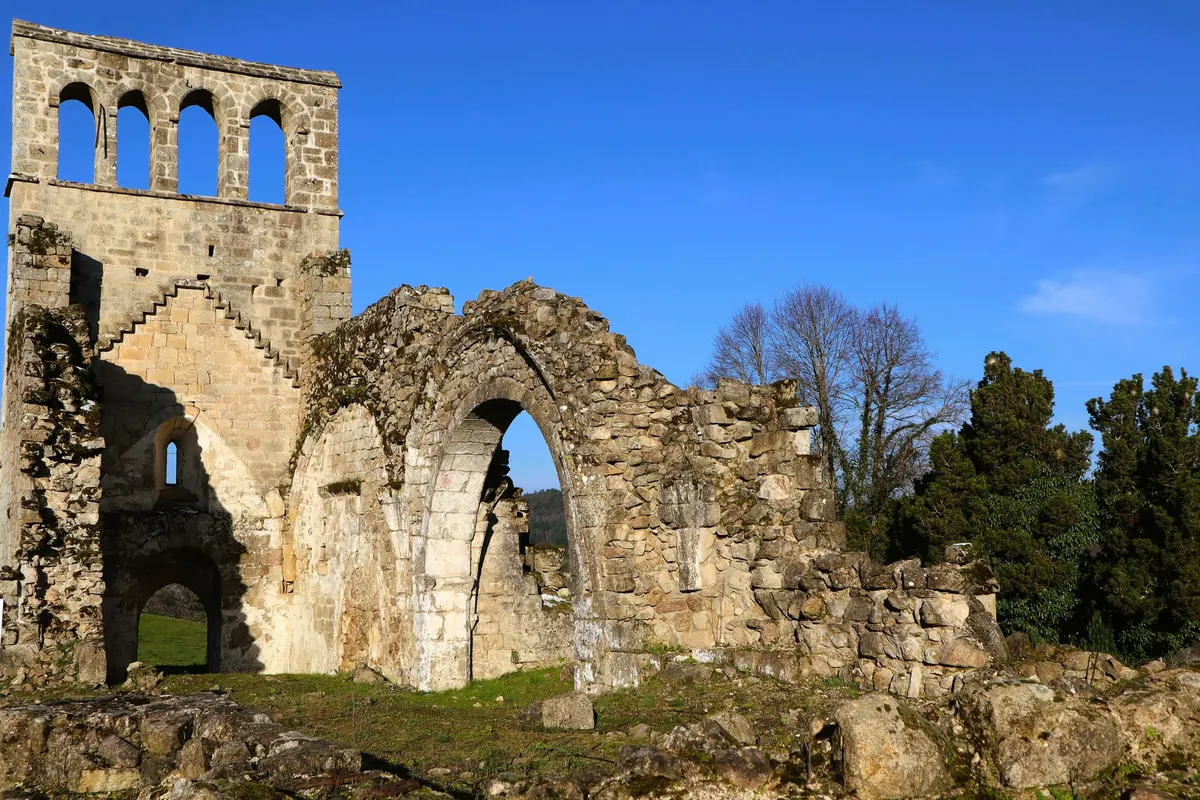
In March 1540 the abbot of Waltham in Essex signed away his house. It was the last monastery in England to close. Four years earlier the country had been full of them — hundreds of abbeys, priories and friaries, some of them the richest institutions in the land. The Dissolution was not a single event but a campaign, run from Westminster with surveys, statutes, pressure and, where necessary, rope. Here is how it happened, and why.
Why Henry VIII Turned on the Monasteries
Start with the marriage. Henry's wife, Catherine of Aragon, had given him no surviving son, and by the late 1520s he wanted the marriage annulled so he could marry Anne Boleyn. Pope Clement VII would not grant it — Catherine's nephew, the Emperor Charles V, had considerable influence over him. Henry's response was not to argue harder but to change the rules: Parliament passed the Act in Restraint of Appeals in 1533, cutting off appeals to Rome, and the Act of Supremacy in 1534, which made the king supreme head of the Church of England.
That single change left the monasteries dangerously exposed. They were the most visible limb of the old papal order, and their loyalty oaths had run to Rome. They were also staggeringly wealthy — landed estates, rents, mills, market tolls, plate and lead. Thomas Cromwell, Henry's chief minister, was a religious reformer by instinct and an administrator by training, and he understood that the houses could be closed lawfully rather than simply raided. Henry's wars with France and Scotland had emptied the treasury. The monasteries were the obvious place to refill it.
The Survey That Made It Possible
Cromwell was appointed vicar general in 1535 and immediately set about finding out what the Church owned. The result, the Valor Ecclesiasticus, was a valuation of every ecclesiastical living in England and Wales — a tax return for the whole religious establishment. Alongside it came visitation reports cataloguing slack discipline, absentee priors and irregular lives.
Some of those findings were real. Some were exaggerated, and a few were plainly invented or encouraged by men who wanted a house closed. It hardly mattered. What Cromwell needed was a paper trail that made confiscation look like reform, and he got one.
1536: The Small Houses Fall First
The first statute, the Act for the Dissolution of the Lesser Monasteries, targeted houses with an income under £200 a year — roughly three hundred of them. The reasoning was political as much as financial: small communities of five or ten religious were less likely to provoke outrage than great abbeys with powerful abbots.
Commissioners arrived to take surrenders, grant pensions, and strip the buildings. A new department, the Court of Augmentations, was created in 1536 just to process the flood of property. Resistance came anyway. The Lincolnshire Rising in the autumn of 1536 grew into the Pilgrimage of Grace, which drew tens of thousands of people into the streets of the north. Henry offered pardons, then withdrew them; Robert Aske, one of its leaders, was executed in 1537.
1538–1540: The Great Abbeys, and the End
With the north cowed, the larger houses followed. Royal injunctions in 1538 ordered the removal of shrines and images, and that September the shrine of Thomas Becket at Canterbury — one of the most famous pilgrimage sites in Europe — was dismantled. Abbots were pressed into "voluntary" surrender, usually with the promise of a pension and the threat of worse. Most signed.
Some refused. Richard Whiting of Glastonbury was hanged in November 1539; the abbots of Reading and Colchester were executed in the same period. Bury St Edmunds surrendered that autumn, and an Act of 1539 gave retrospective legal cover to the whole process. Waltham Abbey closed in March 1540. Under Edward VI, a further Act in 1547 dissolved the chantries and religious guilds, mopping up what remained.
What Happened to the People, the Buildings and the Land
The fate of the people is often overlooked. Monks and nuns who accepted the change received pensions, and many former monks went on to serve as ordinary parish clergy, since there was no shortage of livings to fill. Nuns, who received smaller pensions, more often returned to family or married. Those who actively refused the royal supremacy — including several Carthusian monks in London — were executed.
The buildings had a more varied afterlife:
- Nine monastic churches became cathedrals of the new Church of England, among them Canterbury, Winchester, Durham, Ely, Norwich, Worcester, Rochester, Carlisle and Peterborough, served by deans and canons instead of monks.
- Some became grand private houses when the Crown sold them to gentry families.
- Many were quarried for stone, their lead roofs melted down and their bells sold.
- A few monastic churches survived simply because the local parish kept using them.
The social cost is harder to measure but real: monastic hospitality, schooling and care for the poor all thinned. Some of that was replaced later by new grammar schools and hospitals, and much of the land was sold on to the gentry, which reshaped the English countryside for centuries. The Crown's windfall, meanwhile, was largely swallowed by war.
The Dissolution at a Glance
- 1533 — Act in Restraint of Appeals ends appeals to Rome.
- 1534 — Act of Supremacy makes Henry head of the Church of England.
- 1535 — Cromwell becomes vicar general; the Valor Ecclesiasticus and visitations begin.
- 1536 — Lesser monasteries (under £200 a year) dissolved; Court of Augmentations founded; Pilgrimage of Grace.
- 1537 — The northern rebellion is crushed and its leaders executed.
- 1538 — Shrines and images removed; surrenders of great abbeys gather pace.
- 1539 — Act for the dissolution of the greater monasteries; Glastonbury, Reading and Colchester abbots executed.
- 1540 — Waltham Abbey surrenders; Cromwell himself is executed.
- 1547 — Chantries and guilds dissolved under Edward VI.
Where to See It for Yourself
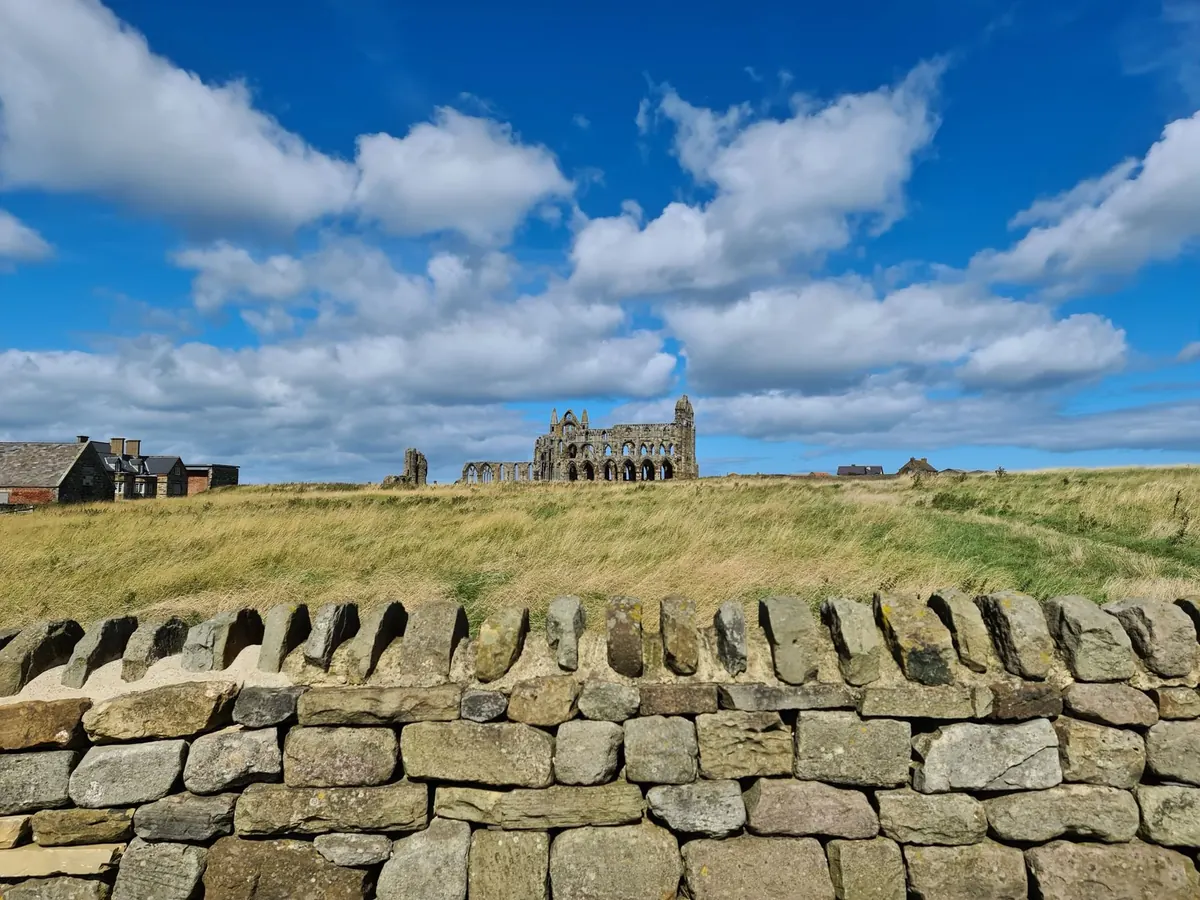
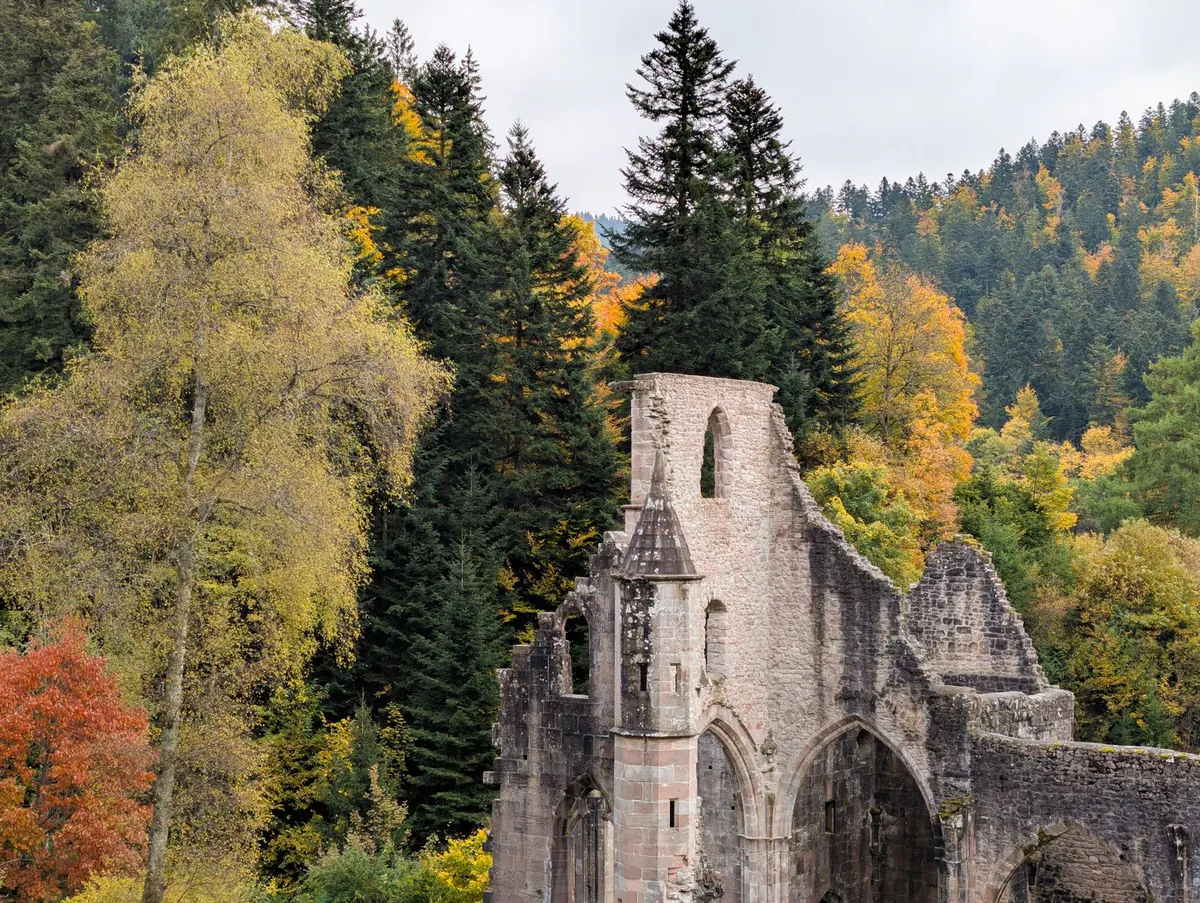
The Dissolution left a landscape you can still read. At Fountains, Rievaulx, Tintern and Glastonbury, English Heritage, the National Trust and Cadw care for spectacular ruins, and most have clear panels explaining what stood where. But the quieter evidence is everywhere: a gatehouse that is now a farm entrance, a tithe barn, a fishpond, a boundary wall running across a field, or a place name like Abbey Farm or Monks' Walk.
Three habits will sharpen a visit. Take an Ordnance Survey map as well as your guidebook — earthworks and lost precinct walls often show up there before you spot them on the ground. Ask at the site what happened after the monks left, since the story of reuse is usually the most interesting part. And look out for the "improvements" of later centuries: Victorian restorers and eighteenth-century owners left their mark, and knowing which stones are medieval and which are not changes what you see. Check opening times before you travel; many of the smaller sites are free and unmanned.
Photo: El Capra / Pexels